
Large-scale financial scam events require immediate, coordinated, and technically precise action. Delays or missteps can result in rapid fund dissipation, evidence loss, and reduced recovery opportunities. At Scam Watch Network, our Incident Response (IR) framework is designed to contain active fraud, preserve critical evidence, and support fund recovery across banking and digital asset ecosystems.
This article provides a technical overview of Scam Watch Network’s incident response methodology and how it supports victims during high-impact scam incidents.
The Complexity of Large-Scale Scam Incidents
Modern scam incidents often involve:
- Multiple victims across jurisdictions
- Rapid fund movement through banks, crypto wallets, and payment processors
- Coordinated scam networks rather than isolated actors
- Time-sensitive recovery windows
- Active social engineering or follow-on attacks
Traditional fraud reporting processes are often too slow to address these dynamics. An effective response requires real-time coordination between investigation, intelligence, and recovery functions.
What Is Incident Response in Financial Scam Recovery?
Incident response in the context of financial scams refers to a structured process for:
- Detection and confirmation of fraudulent activity
- Containment of ongoing losses
- Investigation and evidence preservation
- Transaction tracing and recovery escalation
- Post-incident monitoring and prevention
Scam Watch Network’s framework is built to operate across both traditional financial systems and blockchain-based environments.
Scam Watch Network’s Incident Response Framework
1. Incident Intake & Validation
Every response begins with rapid validation. Scam Watch Network assesses:
- Transaction legitimacy
- Scam typology indicators
- Active vs. historical fund movement
- Risk of continued victim exposure
This phase determines urgency level and response scope.
2. Rapid Containment & Exposure Reduction
When active scams are identified, immediate containment measures are initiated, including:
- Transaction monitoring escalation
- Wallet and account risk flagging
- Guidance to halt further transfers
- Identification of secondary compromise risks
The objective is to stop additional losses while preserving investigation integrity.
3. Evidence Preservation & Data Capture
Time-sensitive data is collected and secured, including:
- Transaction logs and timestamps
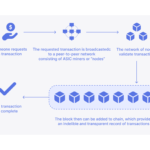
- Blockchain records
- Communication artifacts (emails, messages, URLs)
- Platform and account identifiers
This ensures forensic continuity and supports downstream recovery or law-enforcement action.
4. Transaction Tracing & Network Analysis
Incident response transitions into active investigation using:
- Transaction graph analysis
- Wallet clustering and attribution
- Cross-chain transaction mapping
- Identification of exchange or custodial touchpoints
This phase focuses on understanding where funds moved and identifying potential recovery leverage points.
5. Recovery Escalation & Coordination
Once recovery paths are identified, Scam Watch Network supports escalation through:
- Financial institutions and payment platforms
- Digital asset exchanges
- Compliance and risk teams
- Law enforcement or regulatory channels (where appropriate)
All actions are evidence-backed and aligned with jurisdictional requirements.
6. Ongoing Monitoring & Follow-On Threat Detection
Scam incidents rarely end with a single transaction. Post-incident monitoring includes:
- Detection of repeated targeting attempts
- Monitoring linked wallets or accounts
- Identification of scam network reuse patterns
- Early warning for secondary fraud events
This reduces the risk of recurrence.
Integration with Managed Detection & Fraud Intelligence
Scam Watch Network’s incident response framework integrates with:
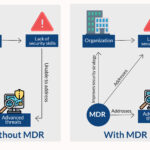
- Managed Detection and Response (MDR) systems
- Fraud intelligence feeds
- Known scam actor databases
- Behavioral anomaly detection tools
This allows response teams to move from reactive containment to proactive threat identification.
Why Incident Response Is Critical for Recovery Outcomes
Effective incident response delivers tangible benefits for scam victims:
- Faster containment of losses
- Higher likelihood of fund traceability
- Stronger evidence for recovery escalation
- Reduced exposure to repeat scams
- Clear, structured recovery guidance
Without a coordinated response framework, investigations often begin too late to be effective.
Use Cases for Scam Watch Network’s Incident Response
Our incident response framework is applied across:
- Cryptocurrency investment scam outbreaks
- Business Email Compromise (BEC) events
- Romance scam campaigns with active fund movement
- Fake trading platform shutdowns
- Coordinated social engineering attacks
Each scenario benefits from rapid, intelligence-driven action.
Large-scale financial scams demand more than passive reporting—they require structured, technically robust incident response. Scam Watch Network’s Incident Response Framework combines rapid containment, forensic investigation, transaction tracing, and recovery coordination to help victims respond effectively to complex scam events.
By aligning detection, intelligence, and recovery workflows, Scam Watch Network delivers actionable outcomes in time-critical situations.