Scam victims are often targeted more than once. After an initial loss, attackers frequently attempt follow-up scams, impersonation, or secondary account compromise. Traditional fraud recovery stops at investigation—but Managed Detection & Response (MDR) extends protection beyond the initial incident.
At Scam Watch Network, MDR provides continuous monitoring, threat detection, and rapid response to help victims detect ongoing scam activity, reduce further losses, and support long-term recovery.
Why Scam Victims Need Managed Detection & Response
Scam operations do not end after a single transaction. Common post-incident risks include:
- Repeat targeting by the same scam network
- Secondary impersonation attempts
- Compromised accounts or devices
- Linked wallet or payment account exposure
- Reuse of victim data across scam campaigns
Without continuous monitoring, victims remain vulnerable—even after funds have been traced.
What MDR Means in the Context of Scam Recovery
Managed Detection & Response for scam victims focuses on:
- Continuous monitoring of scam-related transactions and activity
- Detection of anomalous behavior across accounts and wallets
- Rapid investigation of suspicious signals
- Coordinated response to prevent additional losses
Unlike enterprise cybersecurity MDR, Scam Watch Network’s MDR is tailored to financial fraud and asset recovery.
Scam Watch Network’s MDR Architecture
1. Signal Collection & Monitoring
Scam Watch Network monitors multiple signal sources, including:
- Banking and payment activity indicators
- Blockchain wallet movements
- Exchange deposit and withdrawal events
- Known scam wallet interactions
- Communication and impersonation signals
These inputs form the detection layer of the MDR system.
2. Behavioral & Anomaly Detection
Using intelligence-led rules and behavioral analysis, MDR identifies:
- Unusual transaction timing or size
- Unexpected wallet interactions
- Repeat fund routing patterns
- Known scam typology indicators
This allows early detection before funds are fully dispersed.
3. Alert Triage & Validation
Detected anomalies are validated through:
- Transaction context analysis
- Historical behavior comparison
- Known scam network intelligence
- Risk scoring and prioritization
This reduces false positives and ensures response efforts focus on high-risk events.
4. Response & Containment Actions
When active risk is confirmed, Scam Watch Network initiates:
- Transaction monitoring escalation
- Exposure reduction guidance
- Recovery pathway identification
- Incident response coordination
The objective is rapid containment with minimal disruption.
5. Continuous Post-Incident Protection
MDR remains active after recovery attempts, providing:
- Ongoing monitoring of linked accounts and wallets
- Early warning for repeated targeting
- Detection of evolving scam tactics
- Intelligence updates based on emerging threats
This protects victims beyond the initial incident window.
Integration with Incident Response & Fraud Intelligence
Scam Watch Network’s MDR capabilities integrate directly with:
- Incident Response workflows
- Fraud Intelligence databases
- Transaction graph analysis tools
- Law-enforcement support documentation
This creates a closed-loop detection, response, and recovery cycle.
Use Cases for MDR in Scam Recovery
MDR is particularly effective for:
- High-value crypto scam victims
- Business Email Compromise (BEC) cases
- Romance scam recovery programs
- Victims with multiple exposed accounts
- Ongoing fraud or impersonation threats
Why MDR Improves Recovery Outcomes
Managed Detection & Response delivers measurable benefits:
- Faster detection of secondary scams
- Reduced follow-on financial losses
- Improved recovery timing
- Greater victim confidence and clarity
- Long-term protection against re-victimization
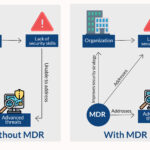
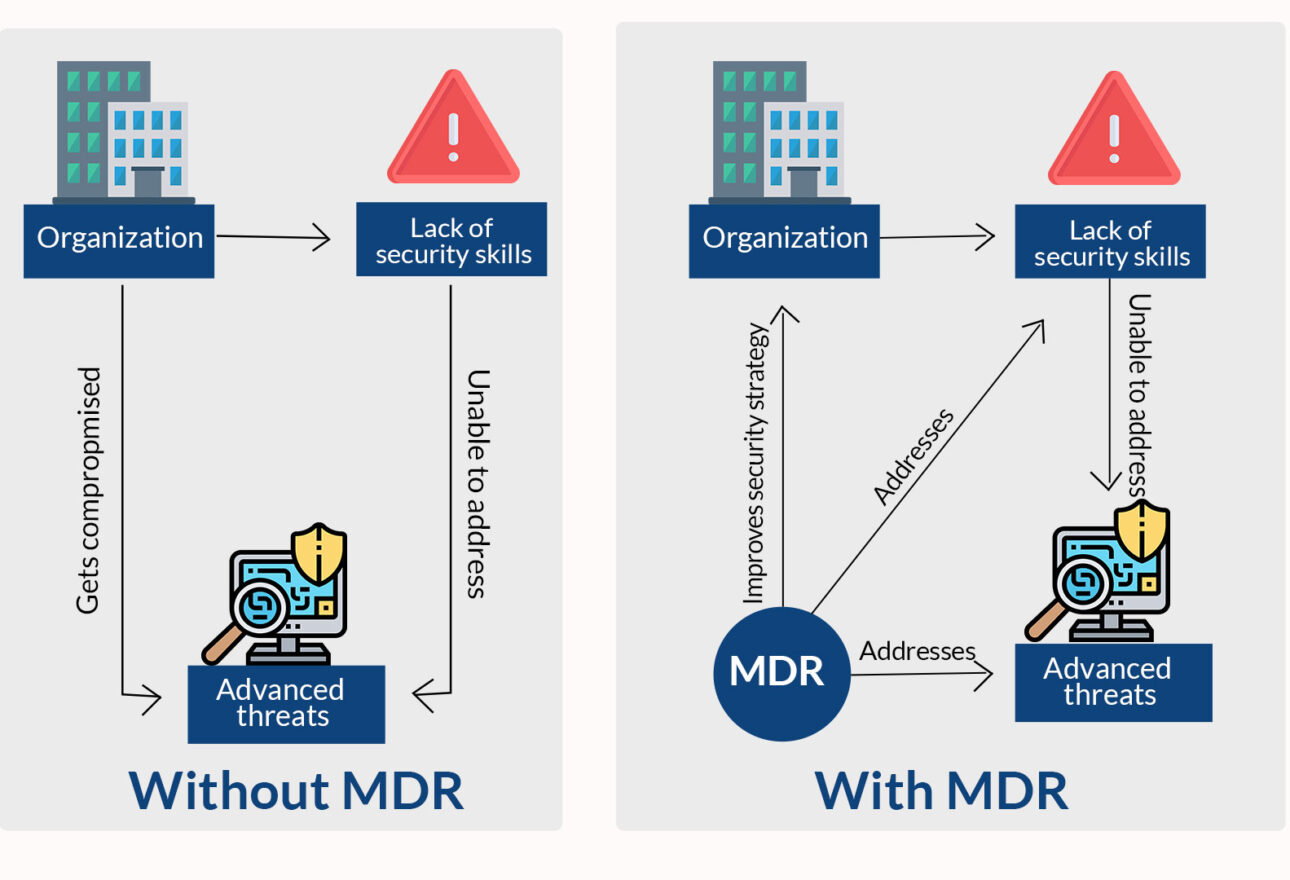
Without MDR, recovery efforts risk being undermined by new scam activity.
Scam recovery does not end with tracing funds. Managed Detection & Response ensures victims remain protected during and after recovery efforts. Scam Watch Network’s MDR framework combines continuous monitoring, intelligence-led detection, and rapid response to deliver lasting security and improved recovery outcomes.