Financial scams rarely operate in isolation. Behind most losses are structured scam networks, reused infrastructure, coordinated actors, and repeat attack patterns. Effective recovery and prevention depend on understanding these networks—not just individual transactions.
At Scam Watch Network, Fraud Intelligence is the foundation that enables advanced tracing, attribution, and disruption of scam operations across banking and digital asset ecosystems.
This article explains how Scam Watch Network applies fraud intelligence to identify scam networks, support fund recovery, and reduce repeat victimization.
What Is Fraud Intelligence in Scam Recovery?
Fraud intelligence refers to the systematic collection, enrichment, and analysis of data related to fraudulent activity. In the context of scam recovery, this includes:
- Transaction and wallet intelligence
- Behavioral and typology analysis
- Scam infrastructure mapping
- Actor and network attribution
- Cross-case correlation
Rather than treating each case independently, fraud intelligence enables pattern recognition across multiple incidents.
Why Scam Network Intelligence Matters
Most scams reuse components such as:
- Wallet clusters
- Bank mule accounts
- Domains and hosting providers
- Communication scripts and lures
- Payment pathways and off-ramps
Without intelligence-driven analysis, these connections remain invisible—allowing scam networks to continue operating.
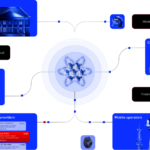
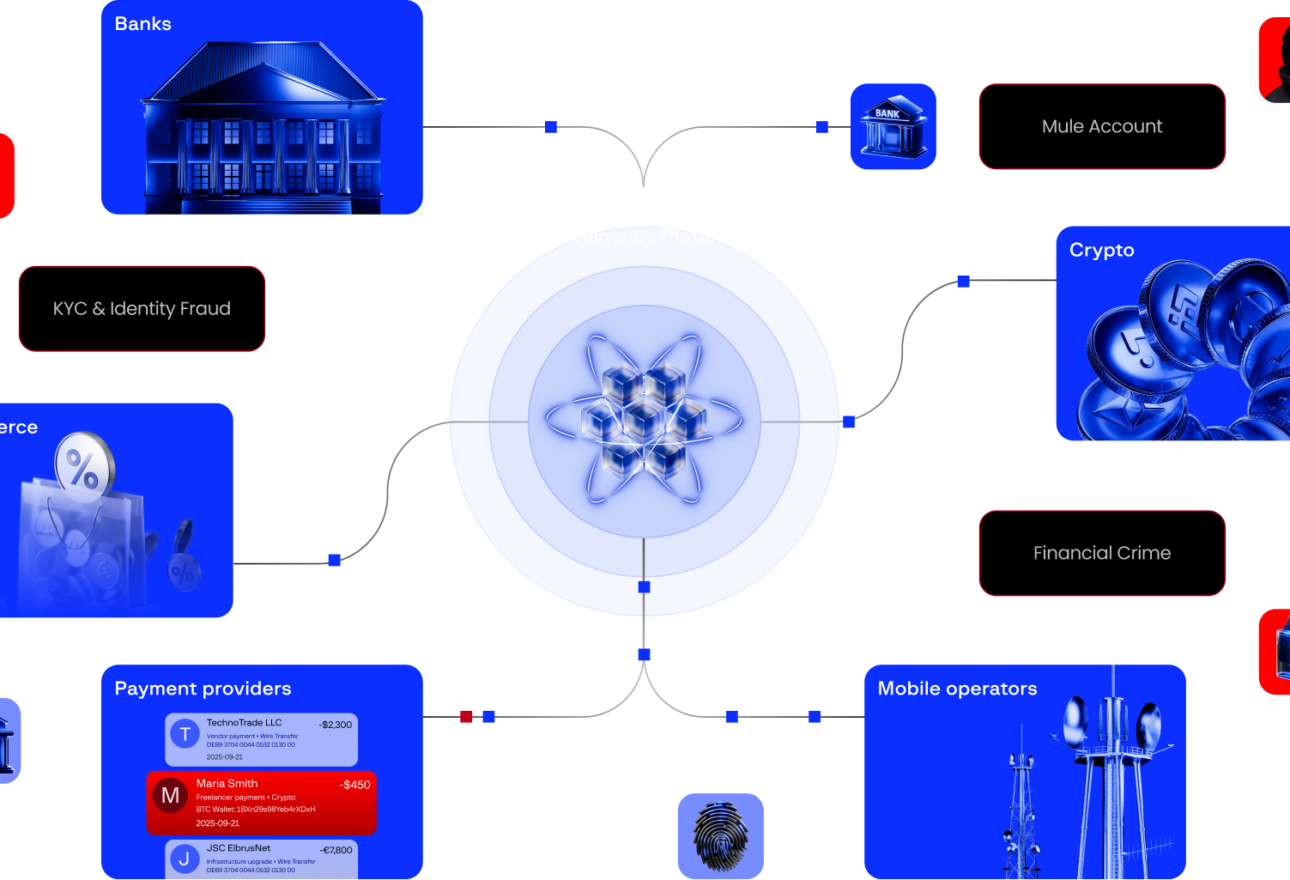
Fraud intelligence allows Scam Watch Network to move from case-level response to network-level disruption.
Scam Watch Network’s Fraud Intelligence Framework
1. Data Aggregation Across Cases
Scam Watch Network consolidates intelligence from multiple sources, including:
- Victim transaction data
- Blockchain and payment rail activity
- Platform identifiers
- Historical scam cases
- Open-source and proprietary intelligence feeds
This creates a unified intelligence environment for correlation and analysis.
2. Scam Typology Classification
Each case is classified using established scam typologies, such as:
- Investment and trading scams
- Romance and trust-based scams
- Business Email Compromise (BEC)
- Impersonation and authority scams
- Crypto wallet drain and approval scams
Typology classification enables rapid identification of known scam behaviors and infrastructure.
3. Wallet and Account Clustering
Using transaction graph analysis, Scam Watch Network identifies:
- Linked wallets and mule accounts
- Reused fund routing paths
- Aggregation points and cash-out nodes
- Cross-chain transaction behavior
This process reveals the operational structure of scam networks, not just individual endpoints.
4. Infrastructure & Actor Attribution
Fraud intelligence extends beyond transactions to infrastructure, including:
- Domain and hosting reuse
- IP and geolocation indicators
- Exchange and platform touchpoints
- Communication channel patterns
These indicators support attribution and strengthen recovery escalation efforts.
5. Intelligence-Led Recovery Targeting
Recovered intelligence is applied to recovery operations by:
- Prioritizing reachable financial intermediaries
- Identifying freeze or intervention opportunities
- Supporting compliance and legal escalation
- Reducing false or low-probability recovery paths
This ensures recovery efforts are targeted, defensible, and time-efficient.
Fraud Intelligence as a Preventive Control
Beyond recovery, Scam Watch Network uses intelligence to:
- Detect repeat targeting attempts
- Identify scam network expansion
- Monitor emerging scam variants
- Alert victims to secondary risks
This shifts engagement from reactive recovery to proactive protection.
Integration with Incident Response and MDR
Fraud intelligence is tightly integrated with:
- Incident Response workflows
- Managed Detection and Response (MDR) monitoring
- Real-time transaction surveillance
- Ongoing threat intelligence updates
This integration enables continuous visibility across the scam lifecycle.
Use Cases for Scam Watch Network’s Fraud Intelligence
Fraud intelligence is critical in scenarios such as:
- Multi-victim investment scam rings
- Cross-border crypto laundering operations
- Repeat romance scam campaigns
- Fake exchange and trading platform networks
- Organized impersonation fraud
Each use case benefits from intelligence-driven correlation and attribution.
Why Intelligence-Driven Recovery Works
Scam recovery success improves when intelligence is applied early and consistently. Benefits include:
- Faster identification of recovery opportunities
- Reduced investigation duplication
- Higher confidence escalation pathways
- Improved disruption of scam networks
- Lower risk of re-victimization
Without fraud intelligence, recovery efforts remain fragmented and reactive.
Scam recovery is no longer just about tracing funds—it’s about understanding and disrupting the networks behind them. Scam Watch Network’s Fraud Intelligence capabilities enable deep visibility into scam operations, supporting effective recovery, escalation, and long-term prevention.
By combining intelligence, incident response, and monitoring, Scam Watch Network delivers outcomes beyond individual cases—targeting the infrastructure that enables scams to persist.