
Financial scams have evolved rapidly, leveraging cryptocurrencies, decentralized finance (DeFi), and cross-chain transfers to obscure fund movements. Traditional investigation methods are no longer sufficient to track these complex flows. At Scam Watch Network, we apply transaction graph analysis to identify, trace, and disrupt fraud networks operating across multiple blockchains and payment systems.
This article explains how transaction graph analysis works, why it is critical for modern fraud recovery, and how Scam Watch Network uses it to support asset tracing and recovery.
The Challenge of Cross-Chain Fraud
Modern scam operations rarely operate on a single platform. Fraudsters frequently:
- Move funds across multiple blockchain networks
- Use intermediary wallets to break transaction trails
- Swap assets through decentralized exchanges (DEXs)
- Bridge assets between chains to evade detection
- Mix crypto with traditional banking rails
These tactics create fragmented transaction paths that are difficult to follow using linear analysis. As a result, victims often believe their funds are permanently lost.
This is where transaction graph analysis becomes essential.
What Is Transaction Graph Analysis?
Transaction graph analysis is a forensic technique that models financial activity as a network of nodes and edges:
- Nodes represent wallets, accounts, exchanges, or entities
- Edges represent transactions or fund movements
Instead of viewing transactions individually, graph analysis examines relationships, patterns, and flow structures across an entire network. This allows investigators to identify clusters, intermediaries, and endpoints involved in scam operations.
How Scam Watch Network Uses Transaction Graph Analysis
1. Transaction Data Aggregation
Scam Watch Network collects transaction data from multiple sources, including:
- Public blockchain ledgers
- Cross-chain bridge records
- Exchange deposit and withdrawal patterns
- Known scam and high-risk wallet databases
This aggregated data forms the foundation of our analysis environment.
2. Wallet Clustering & Entity Attribution
Using graph algorithms and behavioral heuristics, we group wallets that are likely controlled by the same actor. Indicators include:
- Repeated transaction timing
- Shared funding sources
- Similar gas usage patterns
- Common intermediary wallets
This process helps transform anonymous wallet addresses into identifiable fraud entities.
3. Cross-Chain Transaction Mapping
Fraud networks often rely on bridges and swaps to obscure fund movement. Scam Watch Network maps:
- Asset conversions across blockchains
- Bridge entry and exit points
- Liquidity pool interactions
- Token wrapping and unwrapping events
By correlating these events, we reconstruct a continuous transaction trail—even when funds move between chains.
4. Detection of Obfuscation Techniques
Transaction graph analysis allows us to detect common fraud-evasion tactics, including:
- Peel chains
- Circular fund movements
- Mixer-like behavior
- Dormant wallet staging
Recognizing these patterns helps prioritize high-risk nodes and identify final destination points.
5. Identification of Recovery Opportunities
The goal of analysis is not just attribution—it is recovery. Scam Watch Network uses graph outputs to identify:
- Exchange touchpoints
- Custodial wallet interactions
- Payment processor involvement
- Jurisdiction-specific escalation paths
These insights support coordinated recovery actions and law-enforcement referrals where applicable.
Why Transaction Graph Analysis Matters for Scam Victims
For victims of crypto and online financial scams, transaction graph analysis provides critical advantages:
- Speed: Rapid identification of fund flows
- Accuracy: Reduced false assumptions about lost assets
- Visibility: Clear understanding of scam network structure
- Actionability: Evidence-ready outputs for recovery and reporting
Without this approach, investigations risk stopping at surface-level wallet tracking.
Integration with Scam Watch Network’s Broader Fraud Intelligence Framework
Transaction graph analysis at Scam Watch Network is not isolated. It integrates with:
- Fraud intelligence feeds
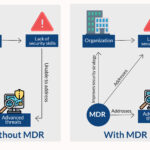
- Managed Detection and Response (MDR) systems
- Incident response workflows
- Law-enforcement support documentation
- Post-incident monitoring programs
This ensures that insights are operationalized—not just observed.
Real-World Use Cases
Scam Watch Network applies transaction graph analysis across multiple scam categories, including:
- Cryptocurrency investment scams
- Romance scams involving digital assets
- NFT rug pulls and smart-contract fraud
- Forex and online trading scams
- Business email compromise with crypto payouts
Each case benefits from network-level visibility rather than isolated transaction reviews.
As scam operations grow more sophisticated, fraud recovery requires equally advanced investigative techniques. Transaction graph analysis enables Scam Watch Network to trace complex, cross-chain fraud networks with precision and efficiency.
By transforming raw transaction data into actionable intelligence, Scam Watch Network helps victims understand what happened, identify recovery paths, and take informed next steps toward reclaiming lost funds.